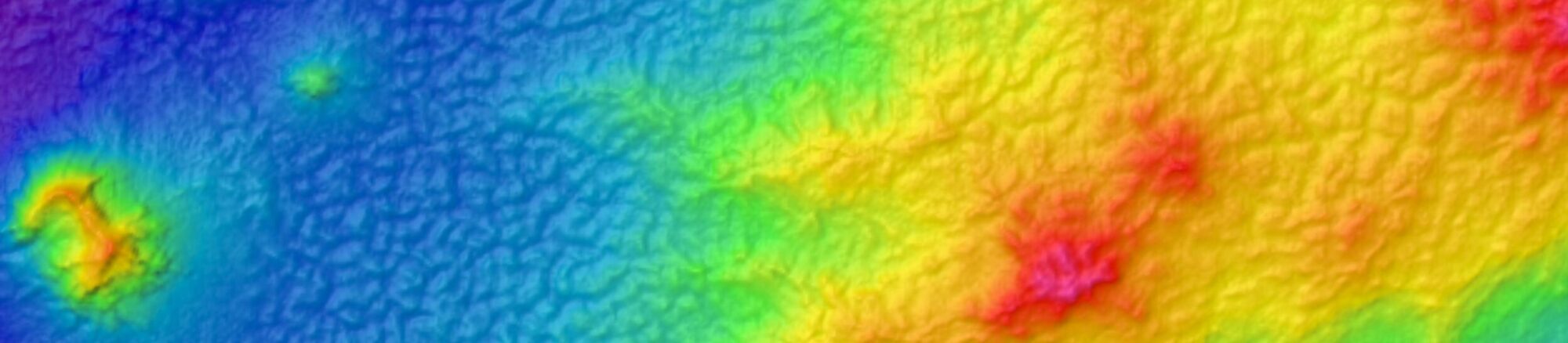

The seafloor of Long Island Sound is a complex underwater landscape formed by glaciers thousands of years ago. From rocky reefs and gravel beds to ancient lake clays, these habitats support a rich diversity of marine life—including sponges, mussels, and fish.
To better protect these ecosystems and ensure safe navigation, the National Oceanic and Atmospheric Administration (NOAA) is partnering with the Connecticut Department of Energy and Environmental Protection on a seafloor mapping project in West-Central Long Island Sound. Selected through the 2027 solicitation of the Brennan Ocean Mapping Fund, this project will map approximately 79 square nautical miles of Long Island Sound to fill critical data gaps. Hydrographers will gather modern, high-resolution bathymetry data to measure seafloor depth and backscatter data to characterize benthic, or bottom, habitats.
Continue reading “Mapping Long Island Sound: New progress and funding opportunities”