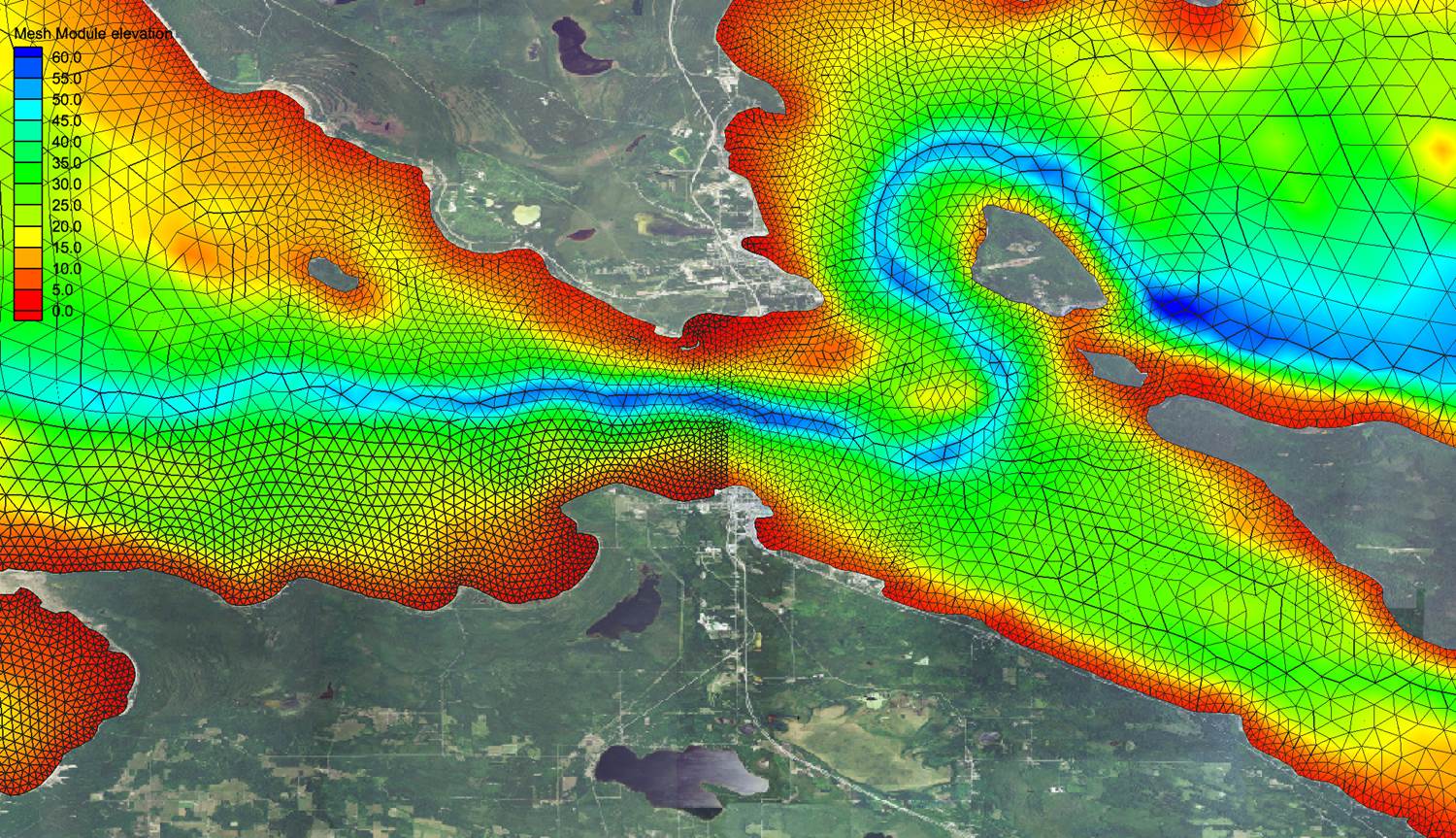
See the ESTOFS output here, or check nowCOAST for model output integrated with other data.
Continue reading “Storm surge model provides vital info for #Blizzard2016”

News and Updates
Continue reading “Storm surge model provides vital info for #Blizzard2016”

Explore your world and learn how NOAA takes the pulse of the planet every day and protects and manages ocean and coastal resources. Join us on NOAA’s Silver Spring, Maryland, campus for a series of free activities, including engaging talks by NOAA experts, interactive exhibits, special tours, and hands-on activities for ages 5 and up. Meet and talk with cartographers, scientists, weather forecasters, hurricane hunters, and others who work to understand our environment, protect life and property, and conserve and protect natural resources. Learn some of Coast Survey’s heritage and see a historic printing press that we actually used to print charts in the 1800s.
Visit www.noaa.gov/openhouse for details or call 240-533-0710 for more information.
Continue reading “Get your hands on science at the NOAA Open House”

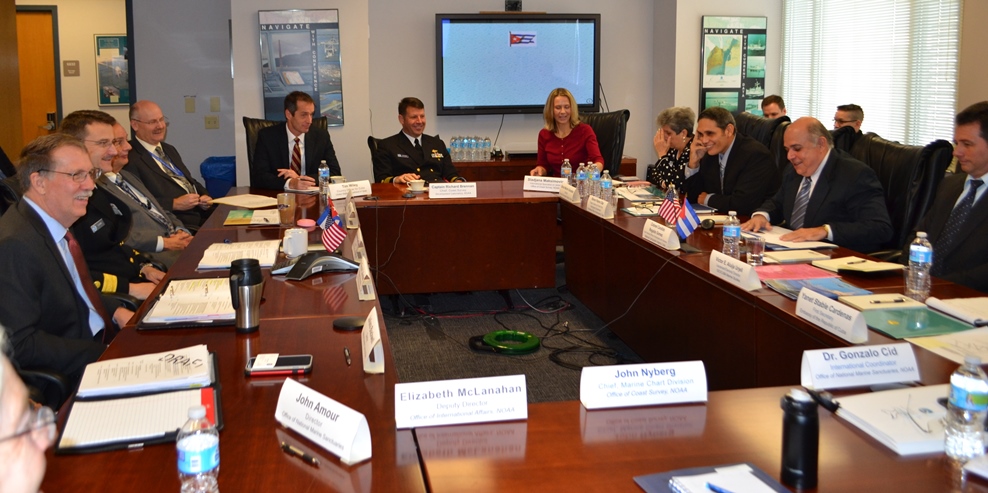
Following up on Coast Survey’s visit to Havana last spring, Cuban hydrographic officials traveled to Maryland on December 15-17, to meet with NOAA National Ocean Service leaders for discussions about potential future collaboration. High on the agenda for Coast Survey is improving nautical charts for maritime traffic transiting the increasingly busy Straits of Florida.
The historic meeting began with Dr. Russell Callender, NOS acting assistant administrator, welcoming the Cuban delegation, led by Colonel Candido Regalado Gomez, chief of Cuba’s National Office of Hydrography and Geodesy.
Continue reading “NOAA and Cuban chartmakers working together to improve maritime safety”
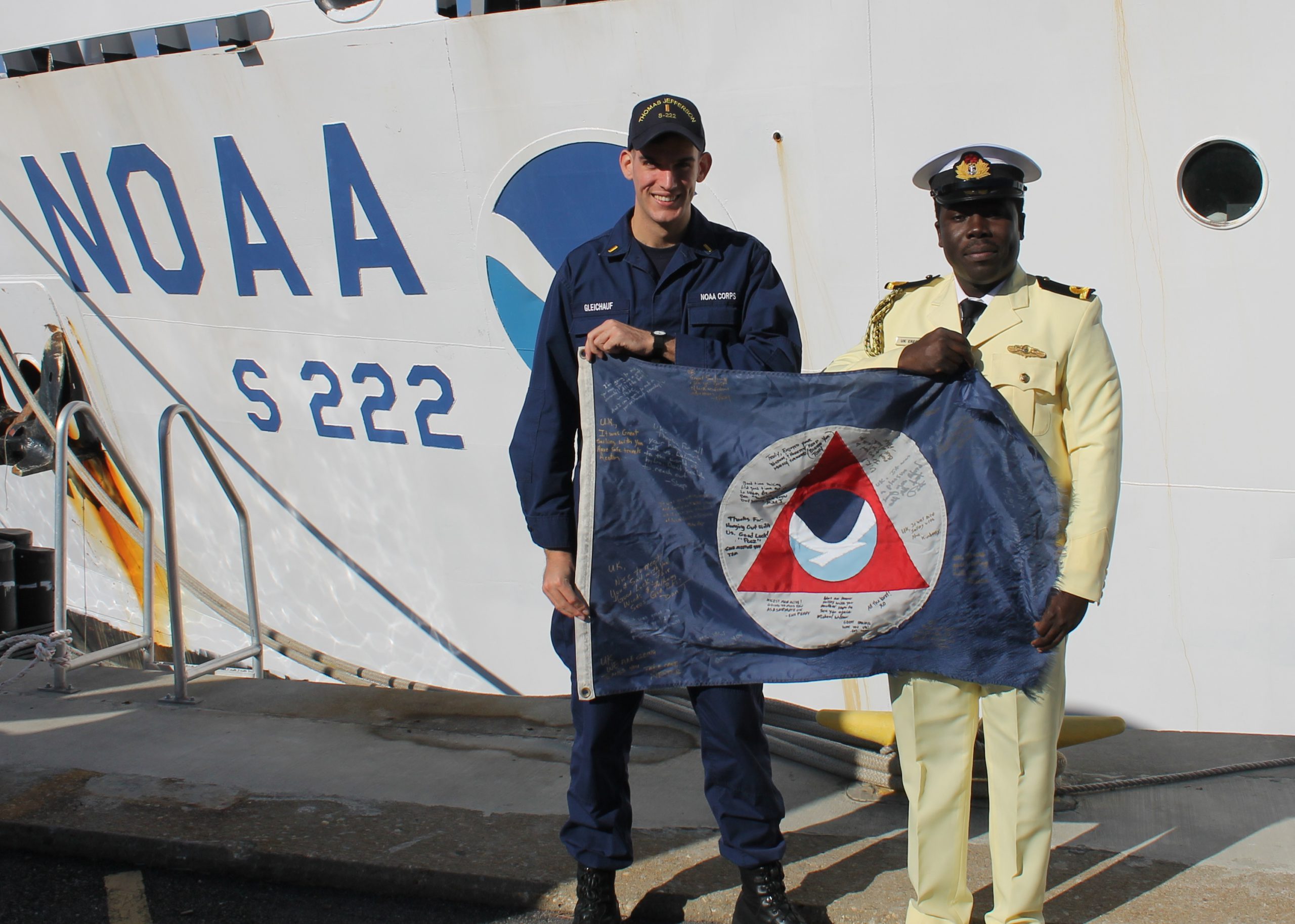
by Ensign Kaitlyn Seberger, Junior Officer, NOAA Ship Thomas Jefferson
This fall, NOAA Ship Thomas Jefferson has had the pleasure of hosting Sub-Lieutenant Uchechukwu Erege. Sub-Lieutenant Erege, known to the ship’s crew as “UK,” is a hydrographer in the Nigerian Navy Hydrographic Office. The Nigerian Navy Hydrographic Office is the national hydrographic authority for the country and is responsible for conducting hydrographic surveys in territorial waters, ensuring nautical charts are up-to-date, processing bathymetric data, and providing Notice to Mariners for hazards to navigation.
UK joined the Nigerian Navy in 2012 after graduating with distinction from the University of Lagos with a bachelor’s and master’s degree in geoinformatics. He then completed a 10-month training program at the Nigerian Defense Academy before transitioning to his current position in the hydrography branch.
Continue reading “Nigerian naval officer augments on NOAA survey ship”
by Thomas Loeper, Coast Survey navigation manager for the Great Lakes
Have you ever wondered how scientists make short-term forecast water levels, currents, and water temperature for the Great Lakes? They use the National Ocean Service’s operational forecast systems. There are now five different computer forecast modeling systems running for the Great Lakes — one for each lake. The forecast guidance from these forecast systems supports a variety of activities, including environmental management, emergency response for incidents like hazardous materials spills, homeland security, and search and rescue, as well as safe and efficient navigation of recreational and commercial vessels along the entire Great Lakes system.
The current operational forecast systems have been operational since 2005/2006, and Coast Survey is planning upgrades in the coming years. The original forecast systems were developed in the early 1990s as a collaborative effort between NOAA’s National Ocean Service, the Great Lakes Environmental Research Laboratory, the National Weather Service, and the Ohio State University. They were the first civilian coastal ocean systems to produce regularly scheduled predictions for the U.S.
Continue reading “Upgrading Great Lakes operational forecast systems”
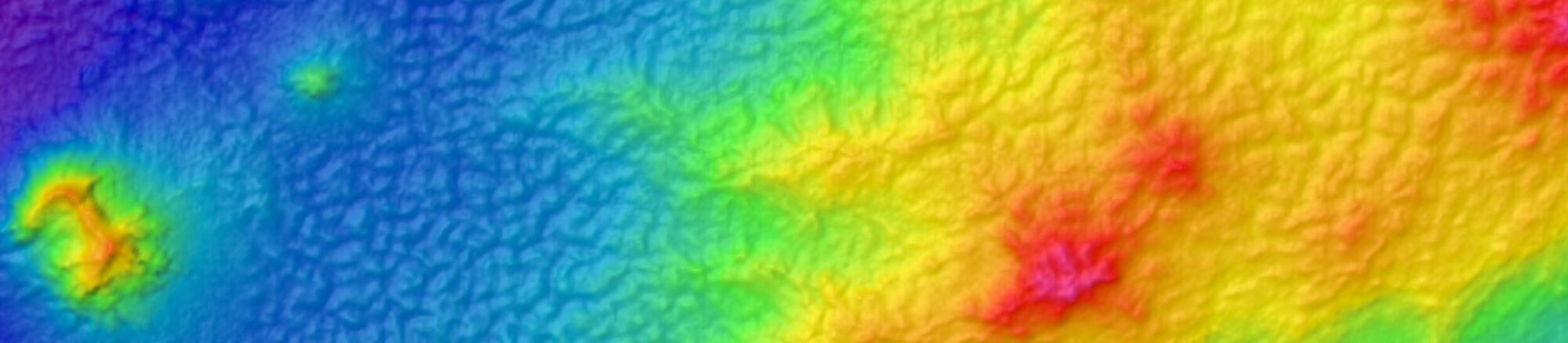
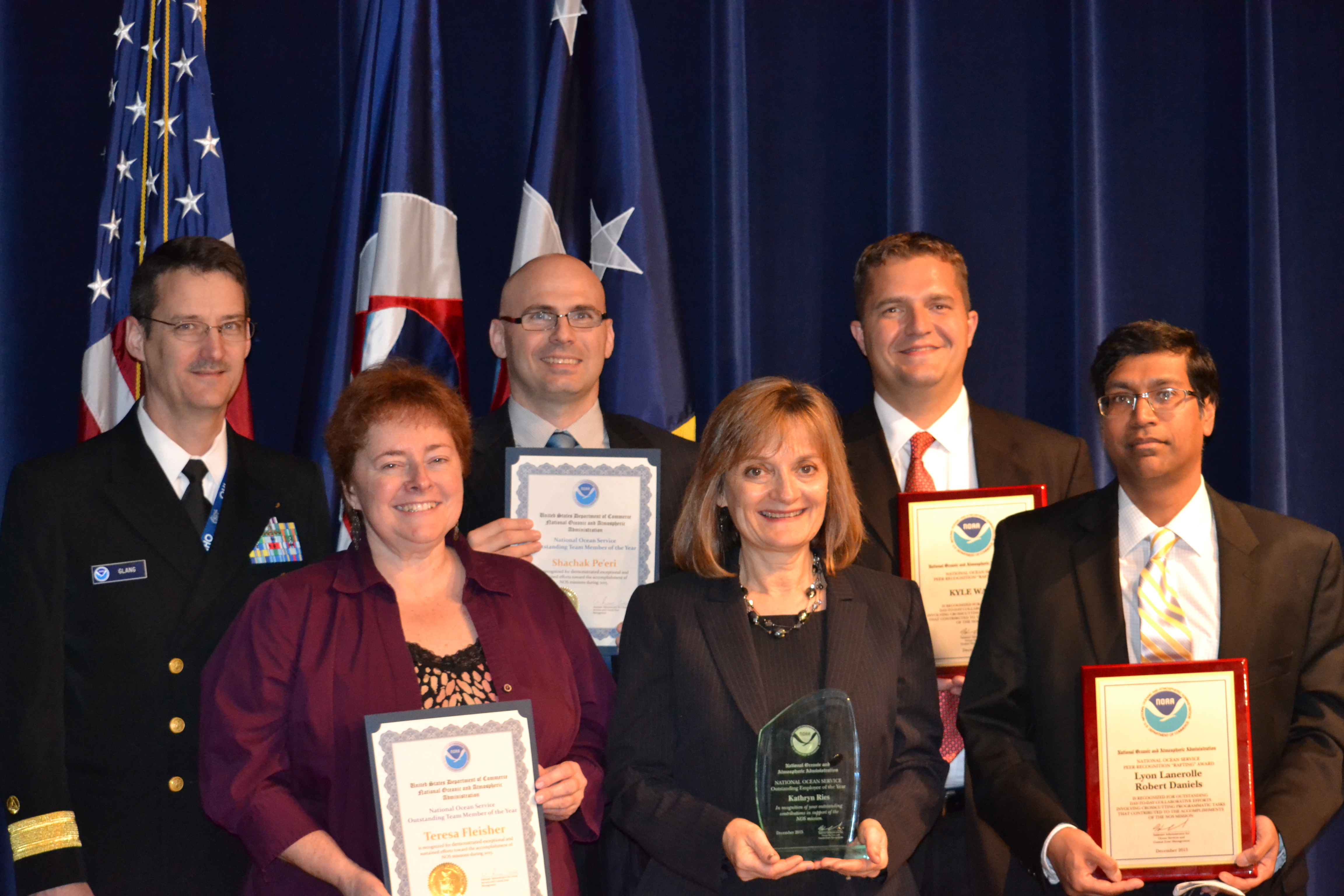
NOAA’s National Ocean Service had a ceremony for its honorees for 2015, and we are so pleased that several Coast Survey employees were recognized for their contributions.

Congratulations to deputy director Katie Ries, who was selected as a 2015 Employee of the Year! This award recognizes significant contributions to NOS programs and the demonstration of exceptional and sustained effort toward the accomplishment of NOS missions. Katie is being honored for many things, chief among them “for being the indefatigable force driving Coast Survey’s crucial improvements in quality management, strategic planning, and employee support.”
Continue reading “NOAA National Ocean Service honors Coast Survey employees”
NOAA sets charting priorities by considering a range of factors. Some of the most important factors include requests by the maritime industry. So when the Hudson River Pilots asked a Coast Survey navigation manager to accompany them on a transit down the Hudson River for a first-hand look at the problems caused by out-of-date soundings, our Northeast navigation manager jumped at the opportunity. Coast Survey understood the pilots’ concerns, especially since the charts in areas outside the federal channel have not been surveyed since 1939, and in some areas the soundings are pre-1900.

Continue reading “NOAA begins multiyear project to update Hudson River charts”
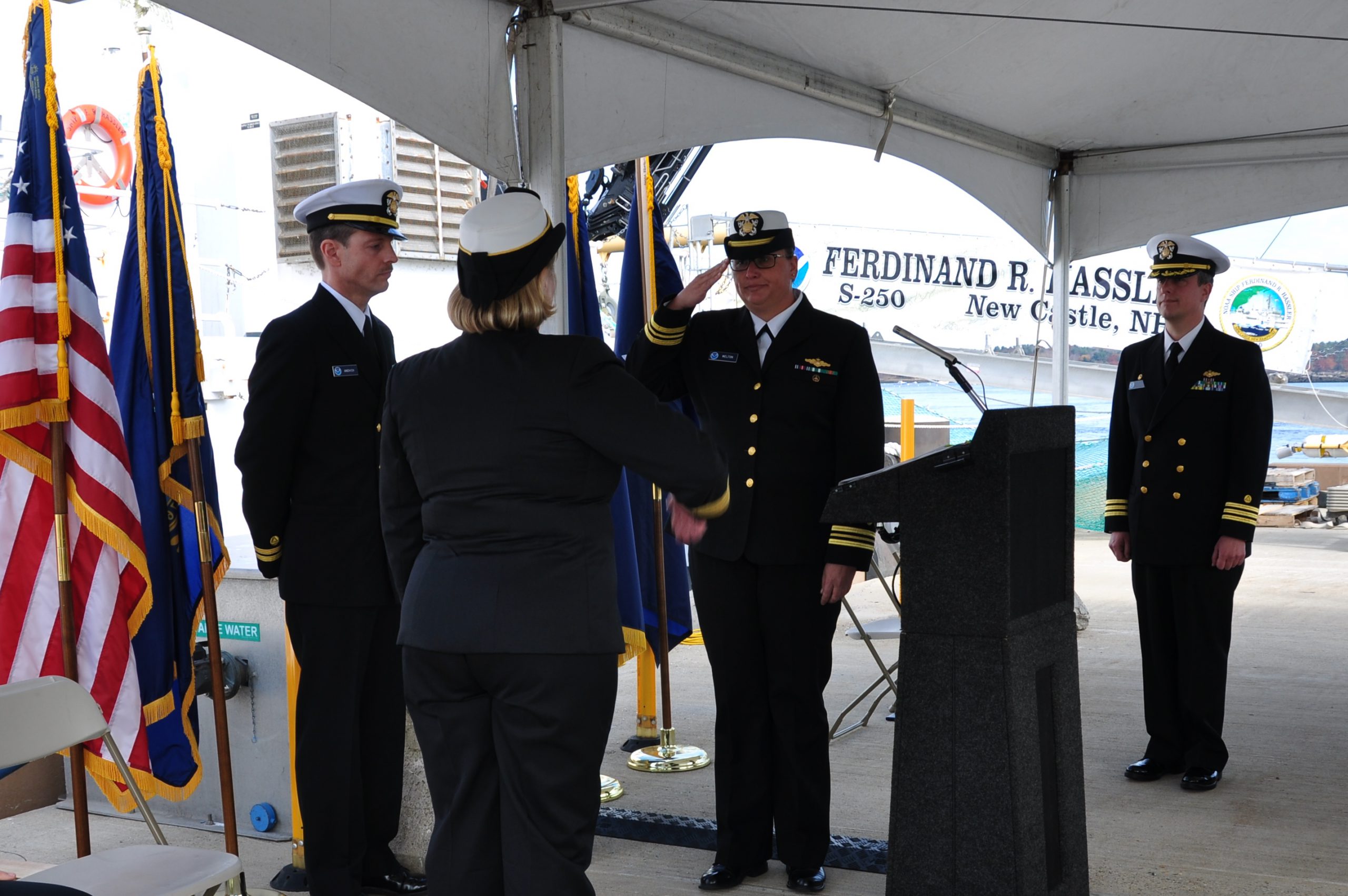
The crew of the NOAA Ship Ferdinand R. Hassler (S-250) hosted a change of command on November 5, while moored at its homeport in New Castle, New Hampshire.
In front of the crew and guests – including Rear Adm. Gerd Glang, director of the Office of Coast Survey, and Capt. Anne Lynch, commanding officer of the Atlantic Marine Operations Center – Lt. Cmdr. Briana Welton accepted command of Hassler, replacing Cmdr. Marc Moser.
Welton is the new survey ship’s third commanding officer.
Continue reading “Change of command for NOAA Ship Ferdinand Hassler”
Nautical charts are an important tool in navigating safely in coastal waters, and Coast Survey’s mission is to keep these charts up to date. However, maintaining accurate charts can be a challenge in locations where sandy shoals may shift seasonally and present a danger to navigation. These areas differ from the current nautical charts, and bottom contours change so rapidly that it may seem an impossible task to keep up using the traditional survey methods. Office of Coast Survey and NOAA Ship Thomas Jefferson are seeking a solution to this ongoing problem and may have an answer with satellite-derived bathymetry.
Satellite-derived bathymetry (SDB) begins with using multi-spectral satellite imagery, obtained by satellites such as Landsat and WorldView2, which compares green and blue color bands.
Continue reading “Studying the use of satellite-derived bathymetry as a new survey tool”