The latest expedition in Lituya Bay: NOAA and National Park Service collaborate to update nautical charts

NOAA Ship Rainier charts volatile, glacially active waters in Glacier Bay National Park

By ENS P. Giamportone and ENS N. Greenlaw

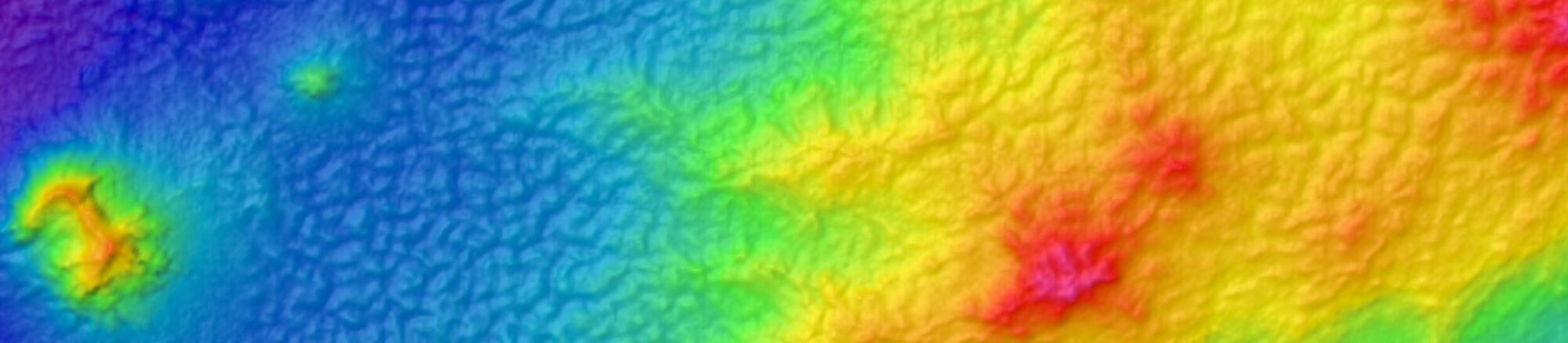
In August 2025, NOAA Ship Rainier pulled into Lituya (lih-TOO-yuh) Bay, an inlet tucked within the outer edge of Glacier Bay National Park. The name is of Tlingit origin, meaning “lake within the point,” and the Bay has long been a source of sustenance and shelter. The entrance is narrow and turbulent, and the glacial walls make it vulnerable to rockslides and their following waves. 

Continue reading “The latest expedition in Lituya Bay: NOAA and National Park Service collaborate to update nautical charts”

Interagency science team collects ocean and weather data in the Arctic aboard U.S. Coast Guard Cutter Healy

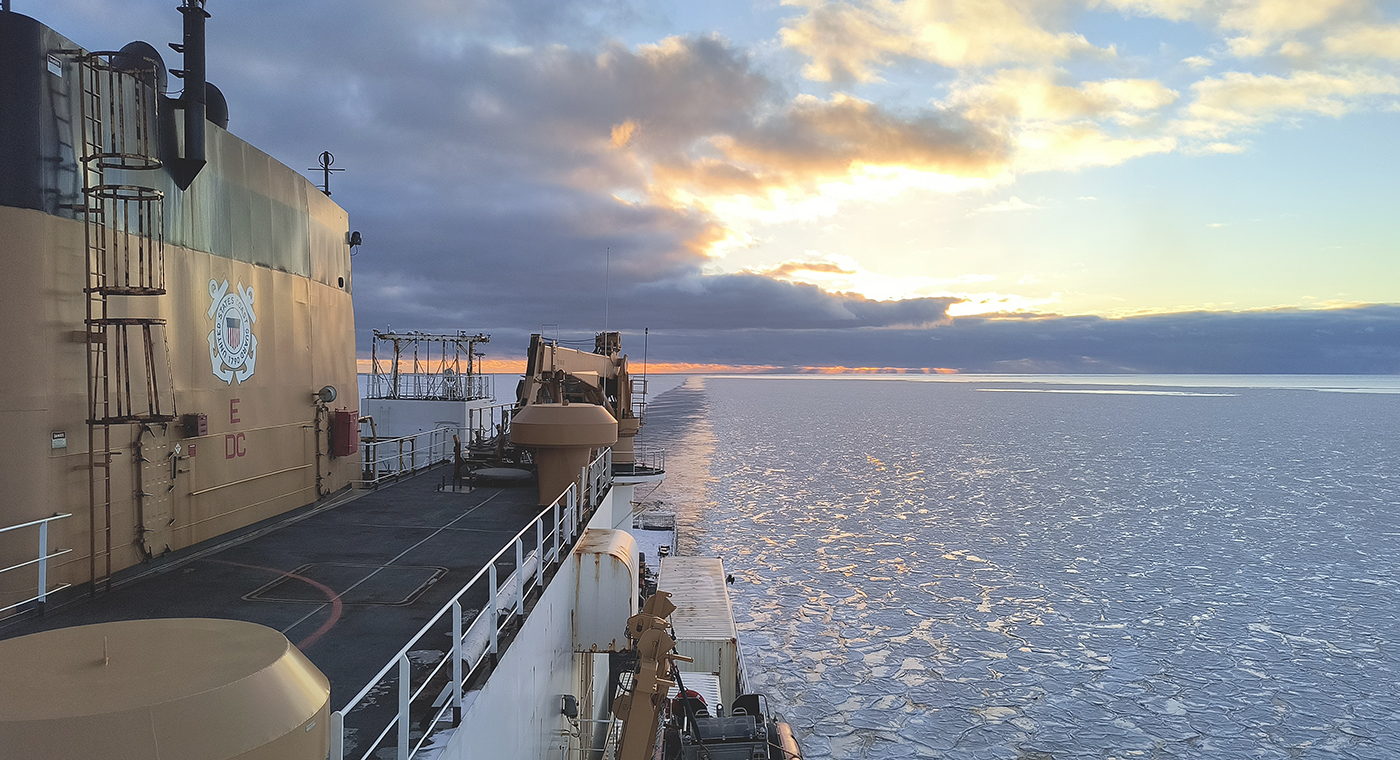
An image showing the side of the U.S. Coast Guard Cutter Healy looking towards her stern as she break a path through icy waters with the sun setting in the background.

In October through early November 2024, NOAA’s Office of Coast Survey, the University of New Hampshire, U.S. National Science Foundation, and U.S. Coast Guard partnered to complete a coordinated mapping mission along the north slope of Alaska aboard the U.S. Coast Guard Cutter Healy. Advancing the 2020 National Strategy on Ocean Mapping, Exploring, and Characterizing the U.S. Exclusive Economic Zone, the mission acquired depth data in uncharted waters along the Coast Guard-proposed Arctic shipping route, deployed a series of oceanographic buoys, and provided at sea training on interdisciplinary scientific expeditions for junior scientists. The mission capitalized on a rare opportunity to maximize data observations within a data-starved region in support of Seascape Alaska, a regional mapping campaign.

Continue reading “Interagency science team collects ocean and weather data in the Arctic aboard U.S. Coast Guard Cutter Healy”

The Interagency Working Group on Ocean and Coastal Mapping announces progress on mapping U.S. ocean, coastal, and Great Lakes waters

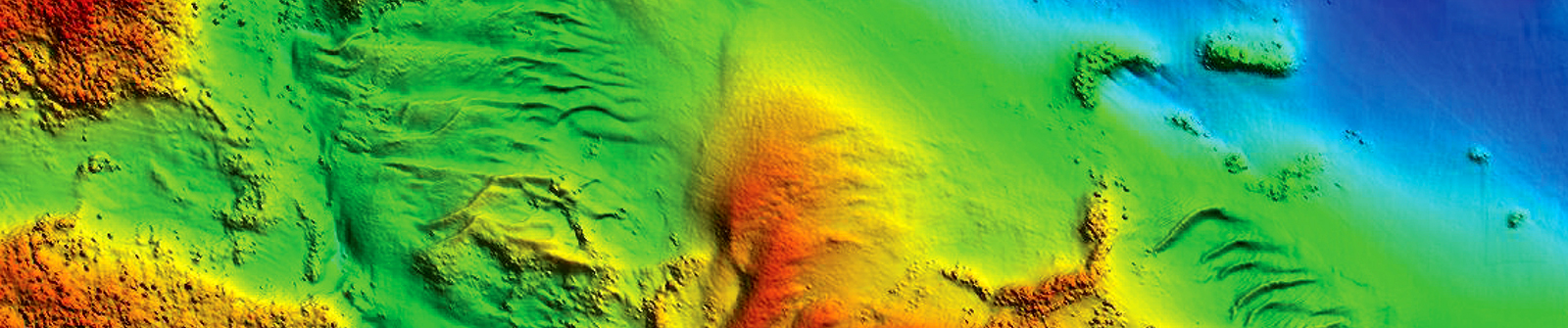
An image of high resolution bathymetry using various colors to represent seafloor elevation.

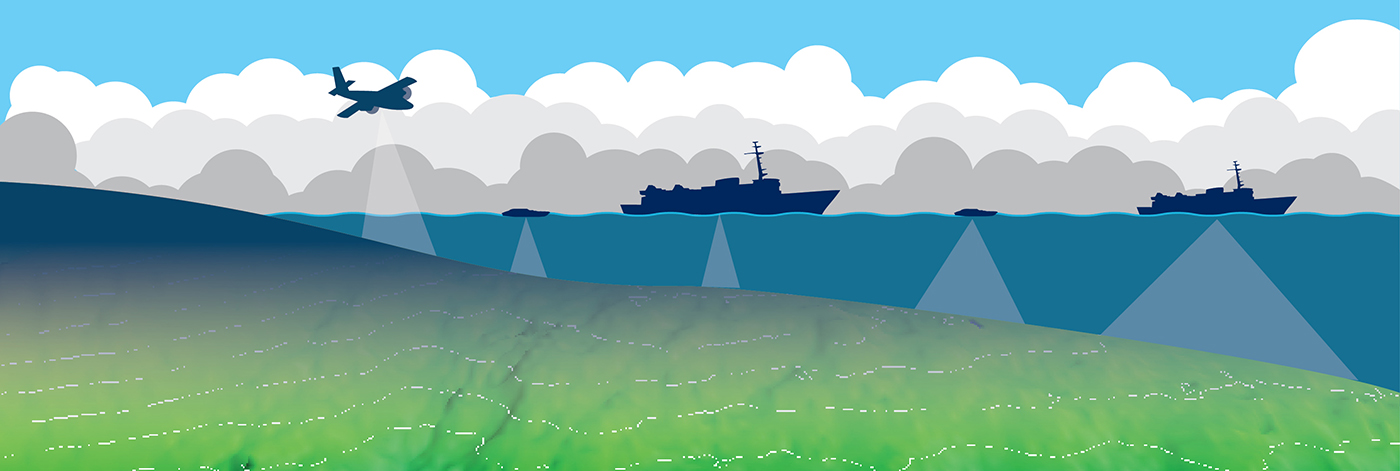
The federal Interagency Working Group on Ocean and Coastal Mapping recently released the fifth annual report on progress made in mapping U.S. ocean, coastal, and Great Lakes waters. Knowledge of the depth, shape, and composition of the seafloor has far-reaching benefits, including safer navigation, hazard mitigation for coastal resilience, preservation of marine habitats and heritage, and a deeper understanding of natural resources for sustainable ocean economies. The 2020 National Strategy for Mapping, Exploring, and Characterizing the United States Exclusive Economic Zone (NOMEC) makes comprehensive ocean mapping a priority for the coming decade. The Unmapped U.S. Waters report tracks progress toward these important goals.

Continue reading “The Interagency Working Group on Ocean and Coastal Mapping announces progress on mapping U.S. ocean, coastal, and Great Lakes waters”